The flag of Curacao
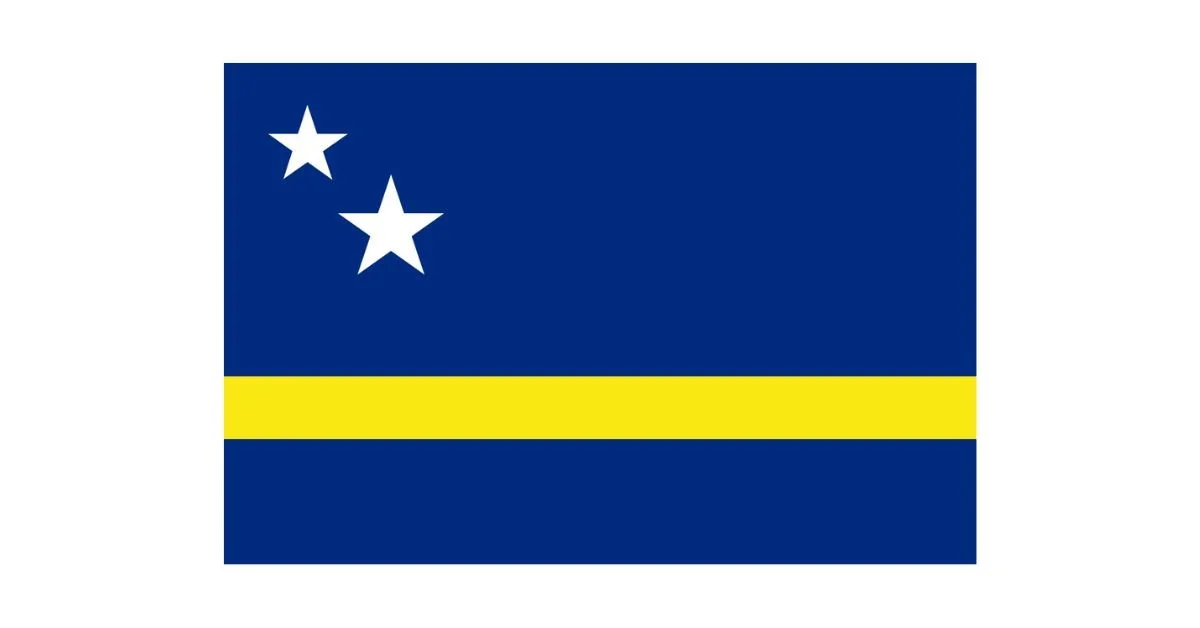
The flag of Curaçao is a vibrant and meaningful symbol of the island's identity, heritage, and connection to the sea. Officially adopted on July 2, 1984, when the island was still part of the Netherlands Antilles, the flag reflects both Curaçao’s unique Caribbean character and its historical ties to the Kingdom of the Netherlands. Its simple yet striking design consists of a blue field divided by a horizontal yellow stripe, with two white stars in the top left corner.
The deep blue background of the flag represents the Caribbean Sea and the clear skies that envelop the island. Curaçao is known for its stunning ocean views, vibrant marine life, and year-round sunshine, making blue a fitting color to dominate the flag. It also symbolizes peace and tranquility, two values cherished by the people of the island.
The horizontal yellow stripe, which runs slightly below the center of the flag, symbolizes the bright, warm sun that shines over Curaçao. It also represents the warmth and hospitality of the island’s people, who are known for their welcoming spirit and rich cultural traditions. The positioning of the stripe below the midline of the flag reflects the horizon—where sea and sky meet—emphasizing Curaçao’s strong maritime heritage and identity.
In the upper hoist corner of the flag are two five-pointed white stars, which carry multiple layers of symbolism. First, the stars represent Curaçao and Klein Curaçao (“Little Curaçao”), the small uninhabited island located to the southeast. Together, they symbolize the entirety of the nation’s territory. The stars also stand for hope and guidance, akin to the stars used by sailors to navigate. Their five points reflect the five continents from which the people of Curaçao trace their ancestry: Africa, Europe, Asia, the Americas, and Oceania. This reflects the island's diverse and multicultural population, a blend of ethnicities and traditions that have shaped Curaçao’s society over centuries.
The flag's design was chosen through a public competition held in the early 1980s. It was created by Martin den Dulk, a local artist and designer, whose concept was selected from over 2,000 entries. His winning design captured the essence of Curaçao’s natural beauty and cultural richness in a clean, modern layout.
Although Curaçao was once part of the Netherlands Antilles, it became a separate constituent country within the Kingdom of the Netherlands on October 10, 2010, when the Netherlands Antilles was dissolved. The flag of Curaçao remained unchanged, continuing to represent the island’s autonomy, pride, and sense of belonging in the Caribbean region.
Recently Posted



Categories
- Alberta 27
- Armed Forces 39
- British Columbia 24
- Canada 318
- Cities 153
- County / Municipality / Regional District / Township 7
- General Information 1
- Government 18
- Historical 4
- Indigenous 40
- International Flags 57
- International Organizations 5
- Manitoba 17
- Miscellaneous 4
- New Brunswick 8
- Newfoundland 12
- Northwest Territories 7
- Nova Scotia 14
- Nunavut 6
- Ontario 41
- Police 1
- Prince Edward Island 5
- Quebec 71
- Royalty 15
- Saskatchewan 15
- Schools 13
- Sports 26
- Yukon 4