NATO
The flag of NATO
The flag of the North Atlantic Treaty Organization (NATO) is a simple yet powerful emblem that represents unity, collective defense, and shared democratic values among its member states. Established on April 4, 1949, NATO is a political and military alliance formed to ensure the security of its members through mutual defense. The flag, adopted in 1953, has become a widely recognized symbol of transatlantic cooperation and international stability.
The design of the NATO flag is straightforward but deeply symbolic. It features a dark blue field with a white compass rose in the center, overlaid on four white lines that radiate outward. The blue background represents the Atlantic Ocean, a geographical feature that binds North America and Europe—the two continents whose nations founded and comprise the core of NATO. Blue also conveys peace, vigilance, and steadfastness, aligning with NATO’s overarching goal of maintaining peace and security through cooperation.
The compass rose at the center of the flag is perhaps its most significant element. It symbolizes direction, guidance, and a shared path forward for all member countries. Each of the four cardinal points of the compass reflects the organization’s commitment to safeguarding freedom and security in every direction, emphasizing that threats can arise from anywhere and that unity and readiness are essential to NATO’s success. The clean, symmetrical design also speaks to clarity of purpose and common values.
The four white lines that extend from the compass rose further reinforce the idea of connection and outreach. They represent the pathways of communication and alliance that span across the Atlantic and throughout the globe. These lines remind viewers that NATO is not a static or regionally confined organization but one that actively engages with the wider world through strategic partnerships and global cooperation.
While the flag is not overly ornate or complex, its minimalism is deliberate. It reflects NATO’s nature as an alliance built on foundational principles—mutual defense, collective decision-making, and a commitment to democracy and human rights. The absence of individual national symbols avoids favoritism and emphasizes the equal standing of all member states within the alliance, regardless of their size or military strength.
The NATO flag is flown at the organization’s headquarters in Brussels, Belgium, at military installations, and during joint operations or exercises involving member states. It serves as a unifying banner under which diverse nations operate with a common purpose. In a world often marked by division and conflict, the NATO flag is a reminder of what can be achieved through solidarity and shared values.
Over the decades, the flag has become more than just a visual marker for the organization—it has grown into a symbol of deterrence, dialogue, and defense. As NATO continues to adapt to new global challenges, including cyber threats, terrorism, and evolving geopolitical tensions, its flag remains a constant, embodying the alliance’s enduring mission: to safeguard the freedom and security of its members by political and military means.
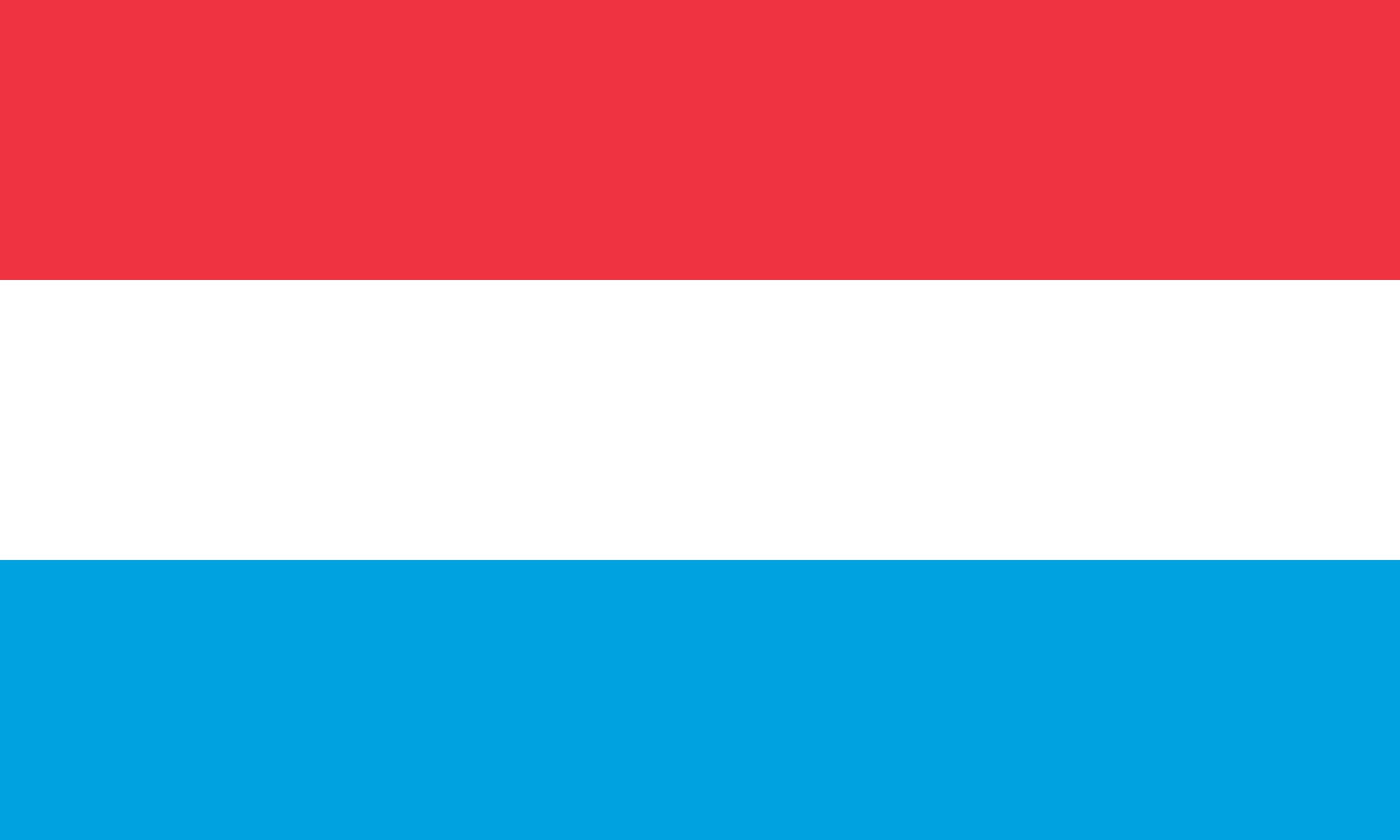
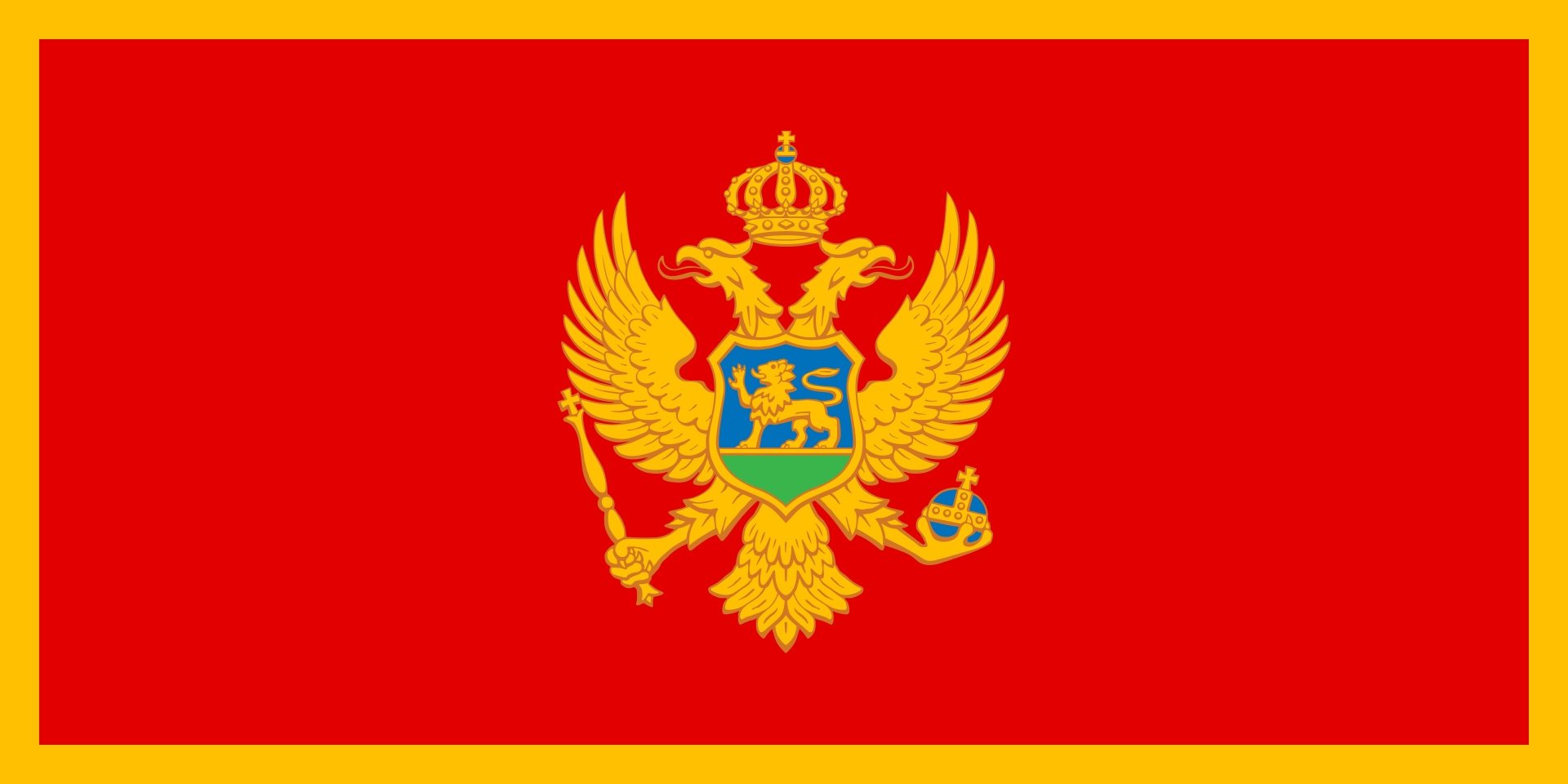
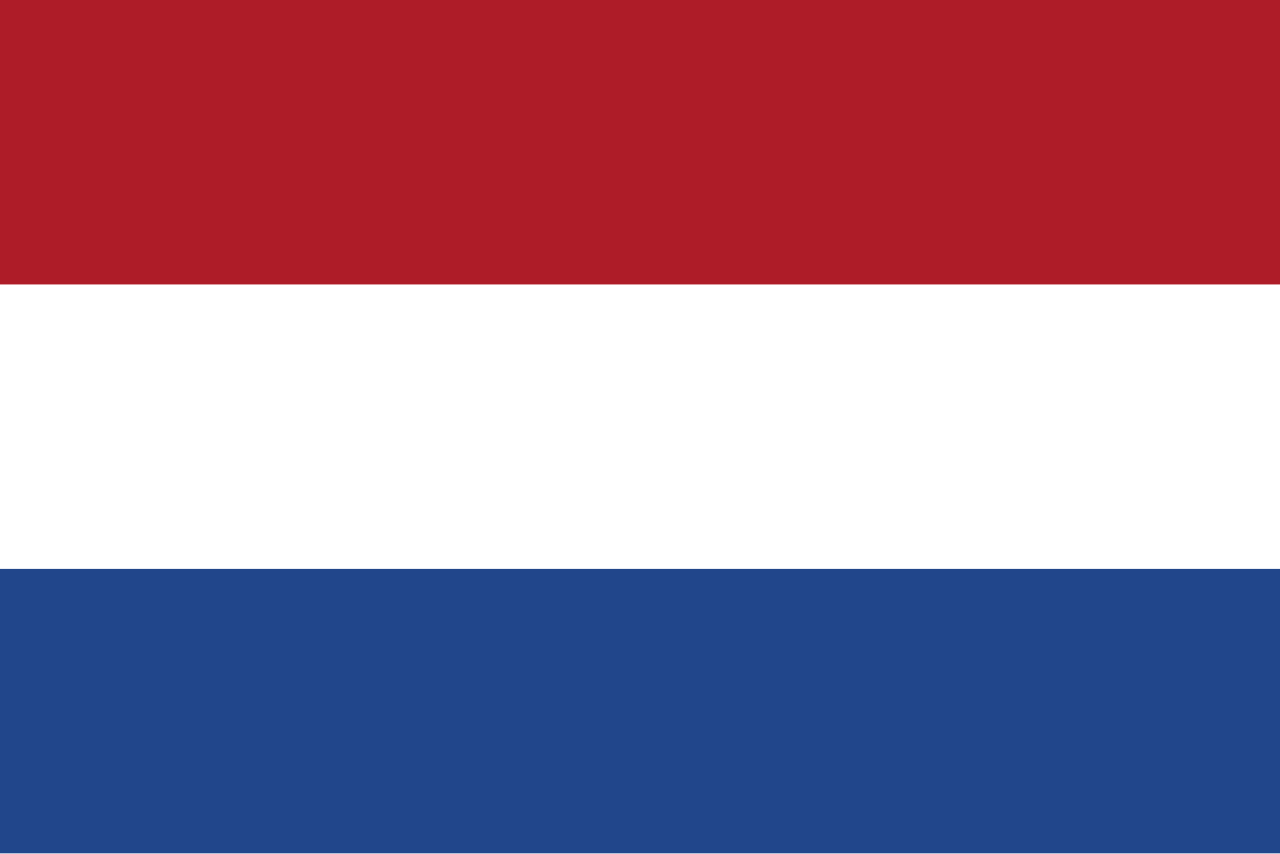
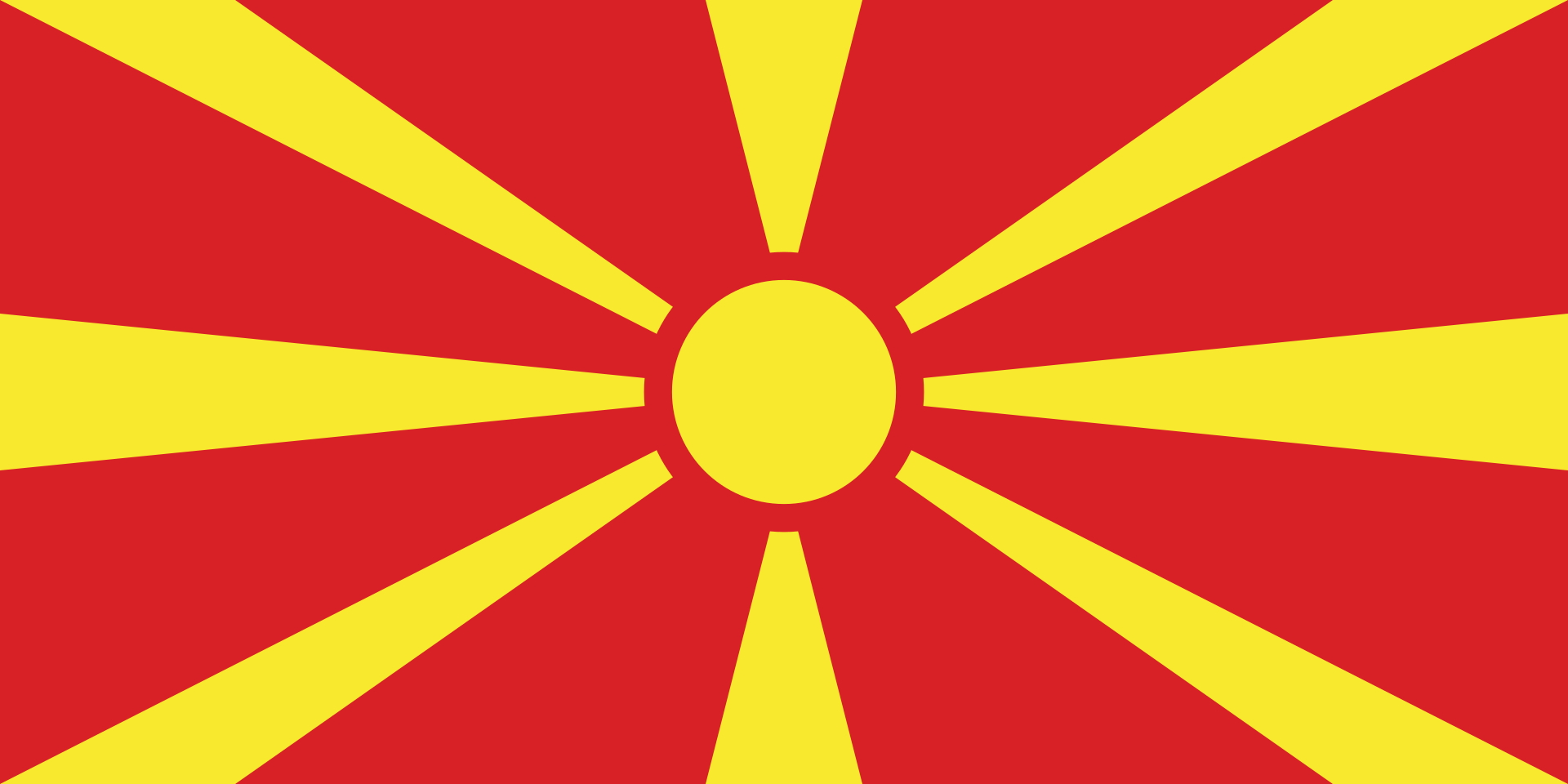
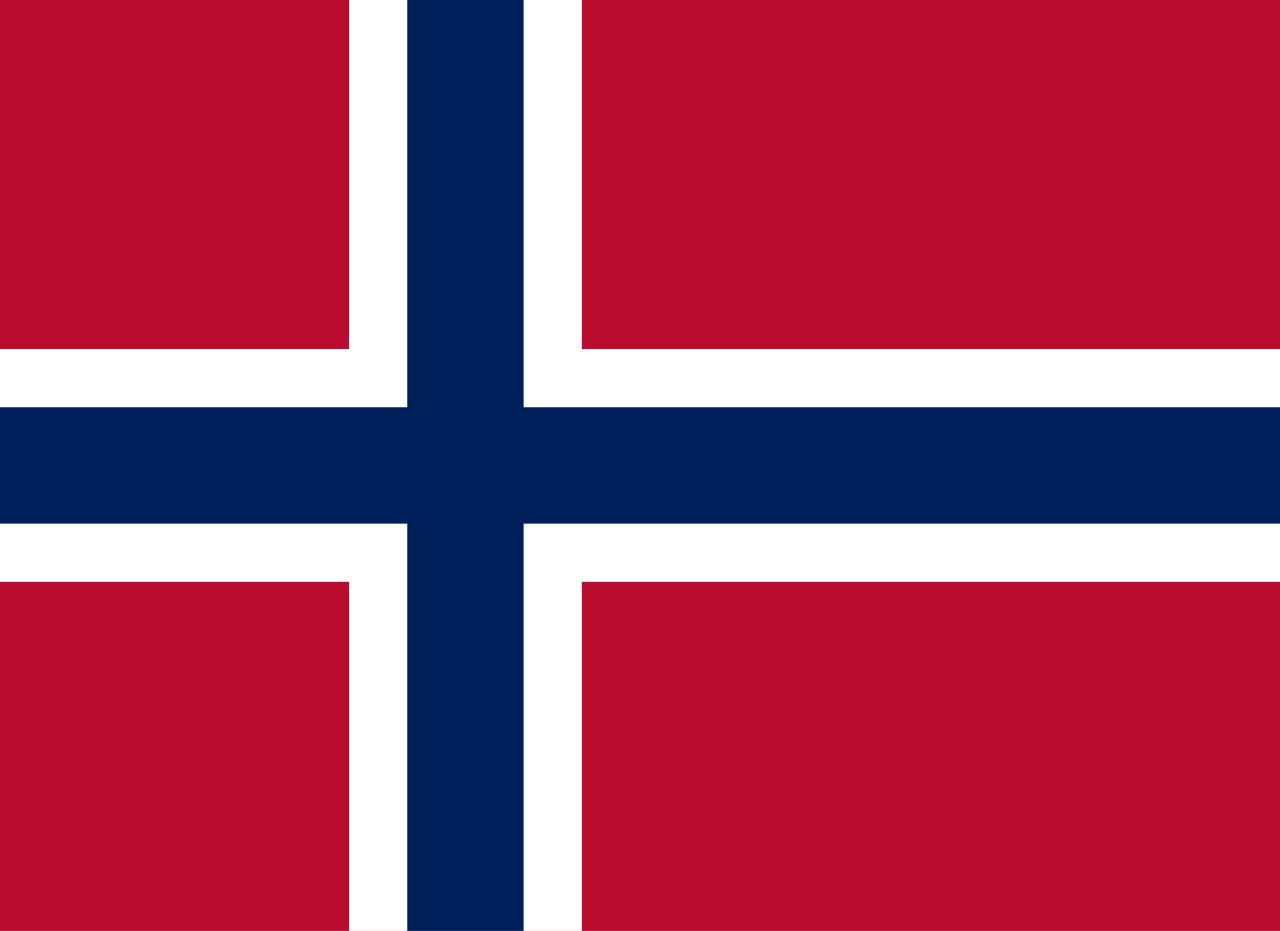
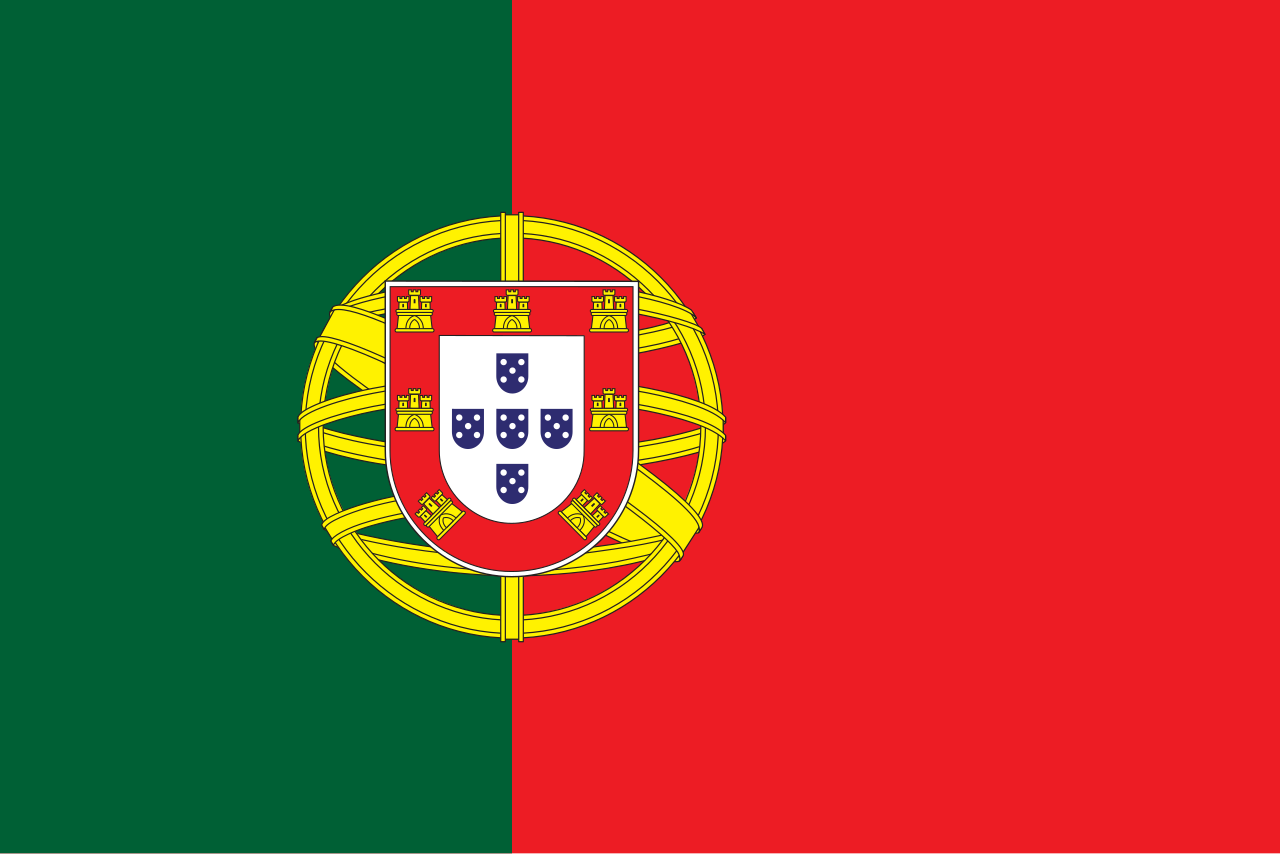
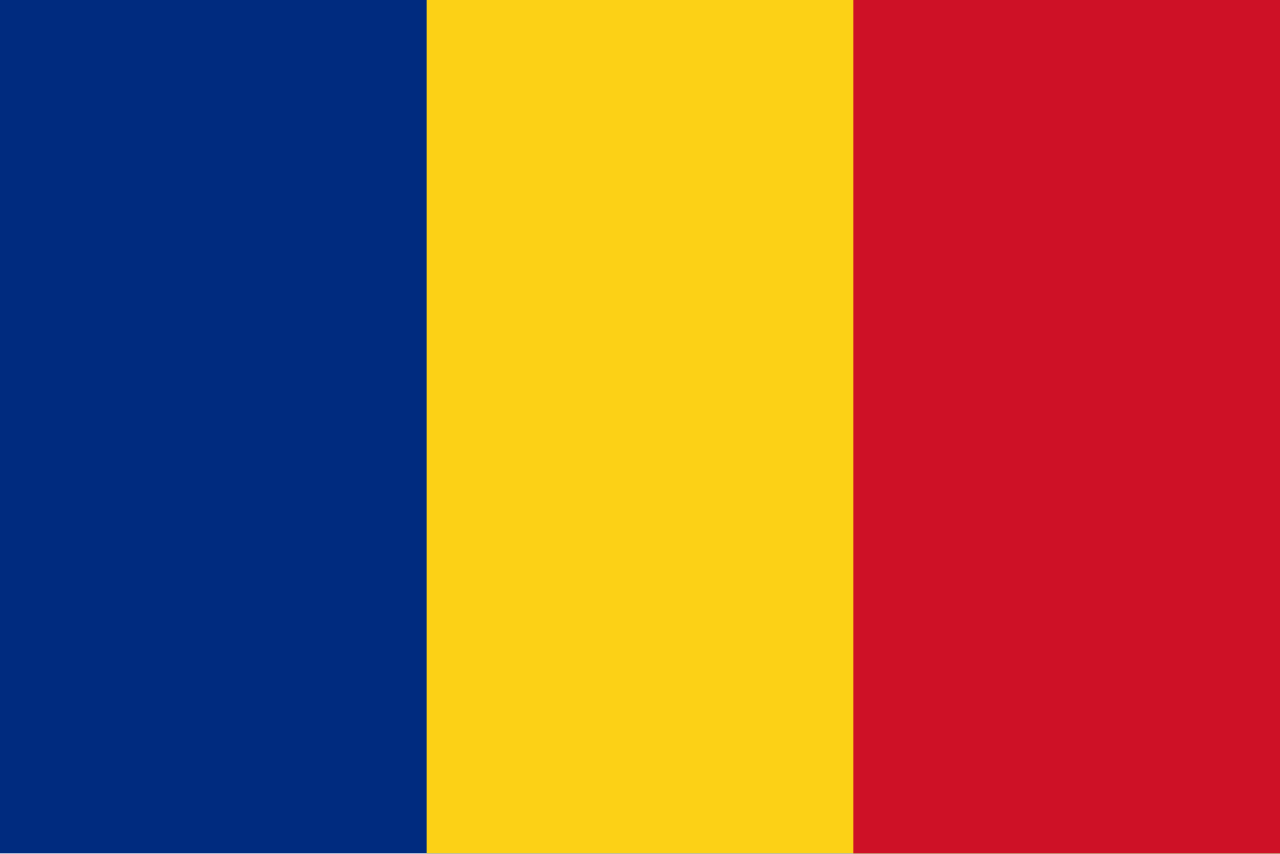
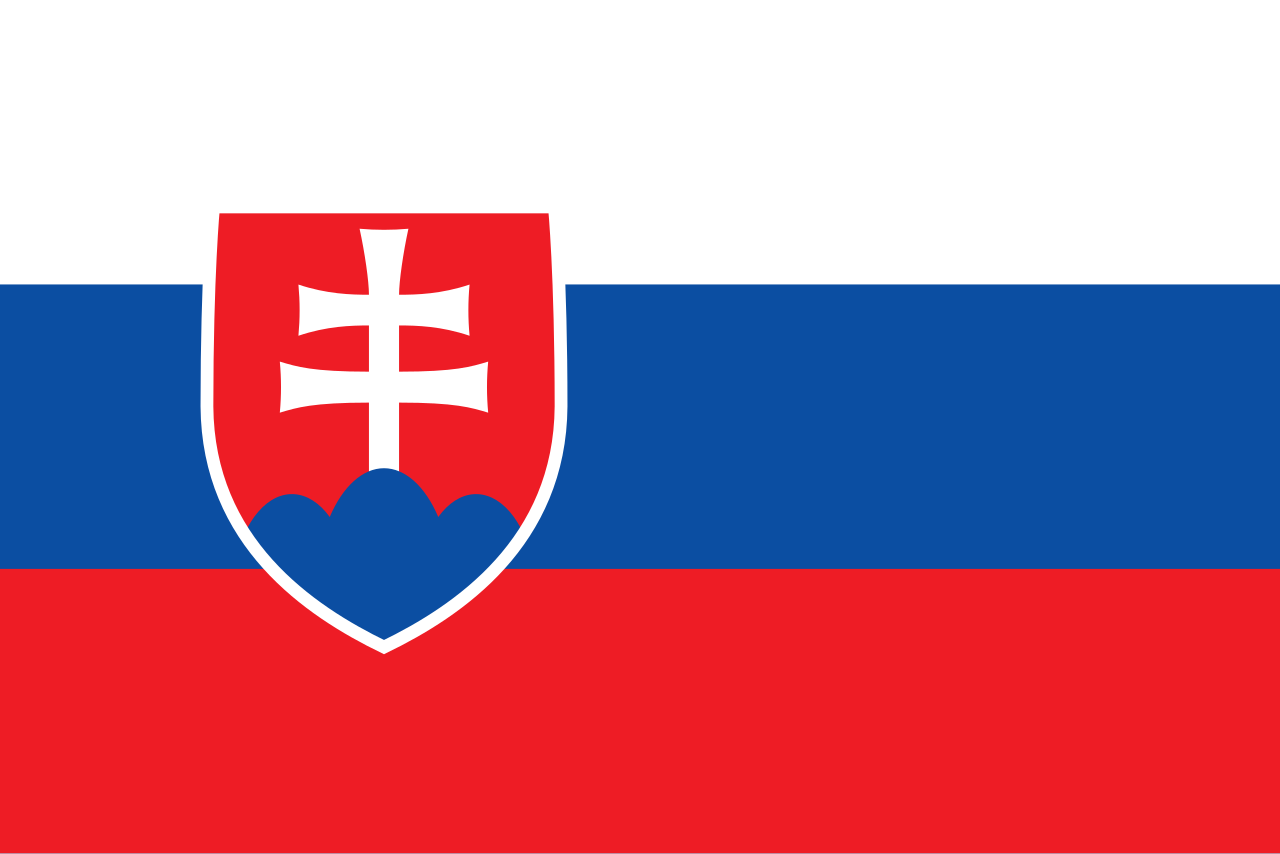
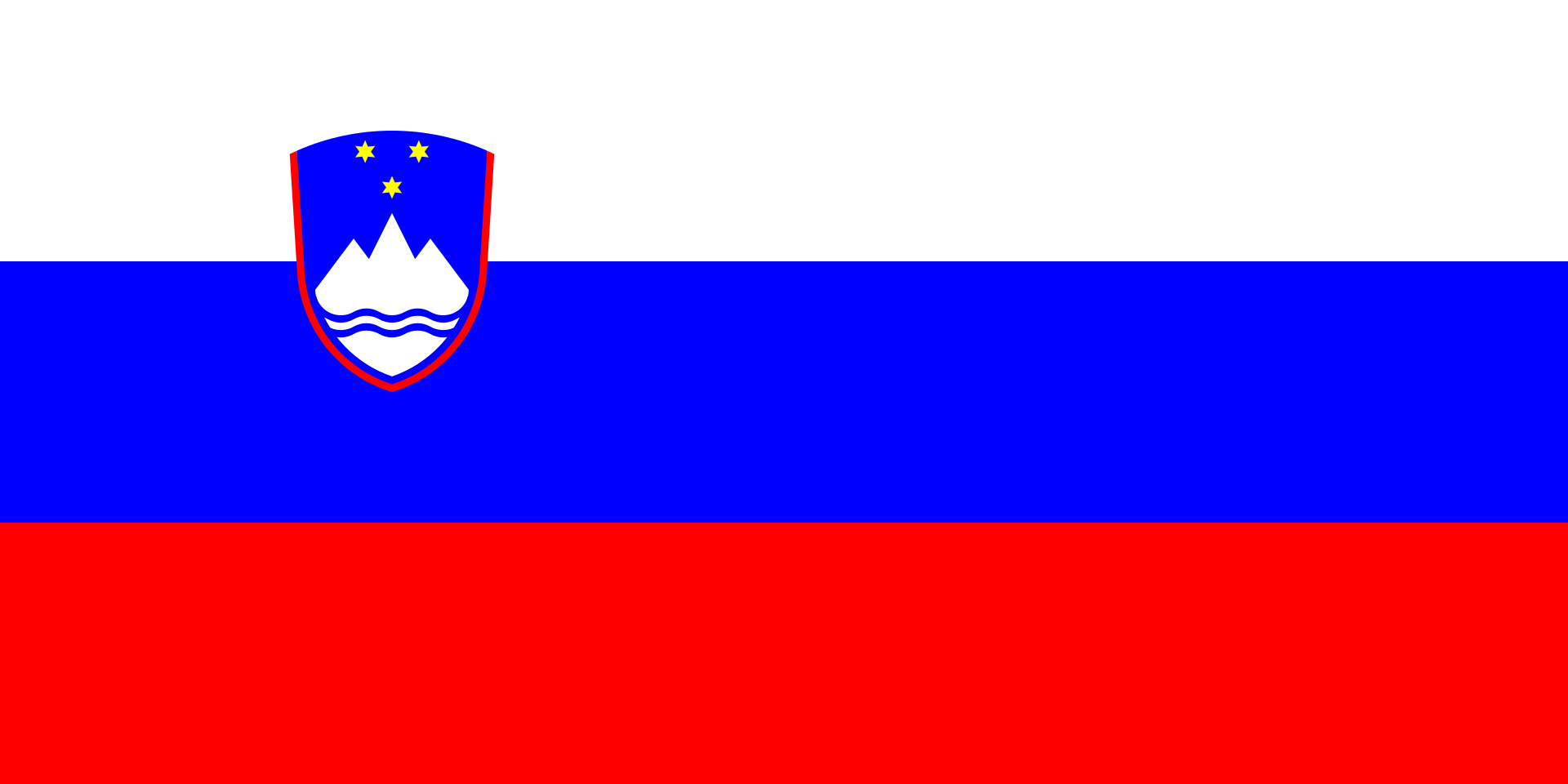
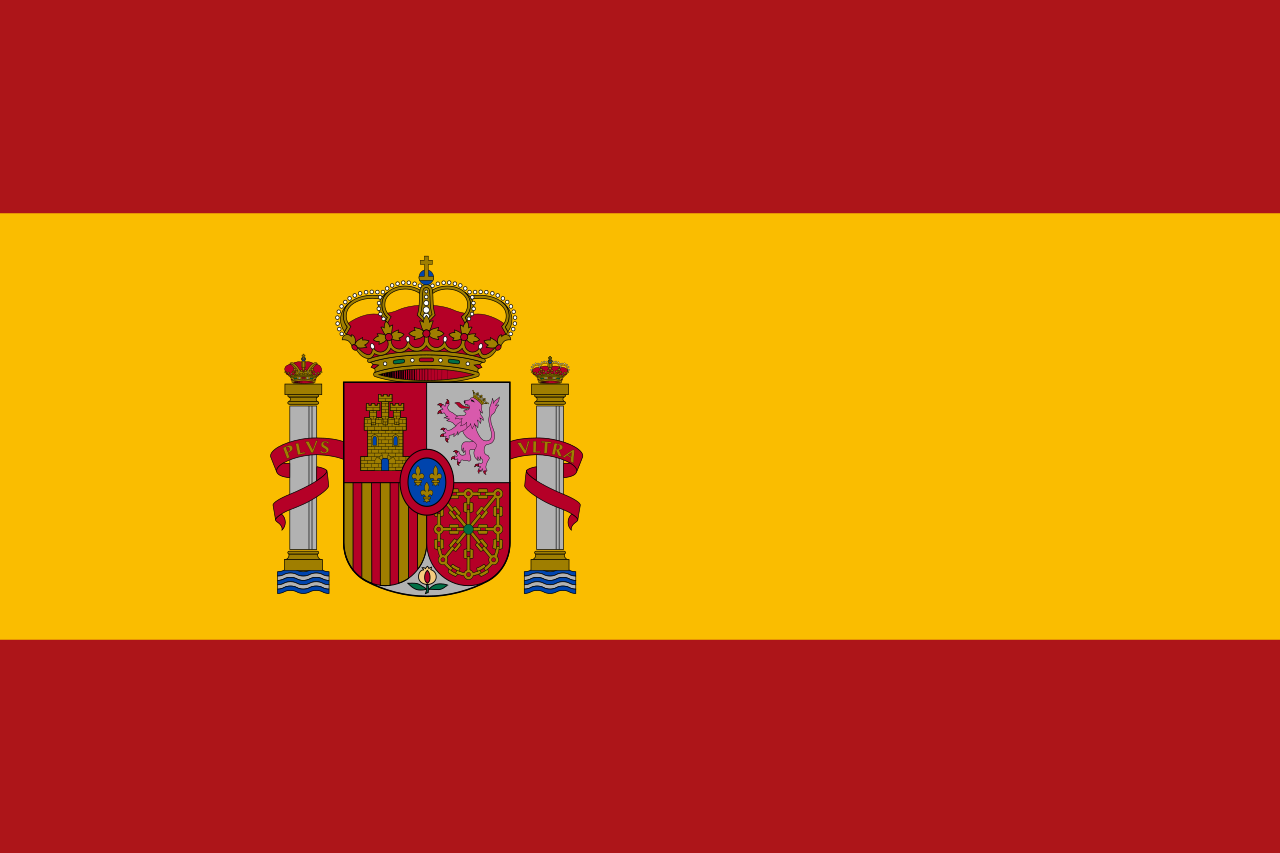
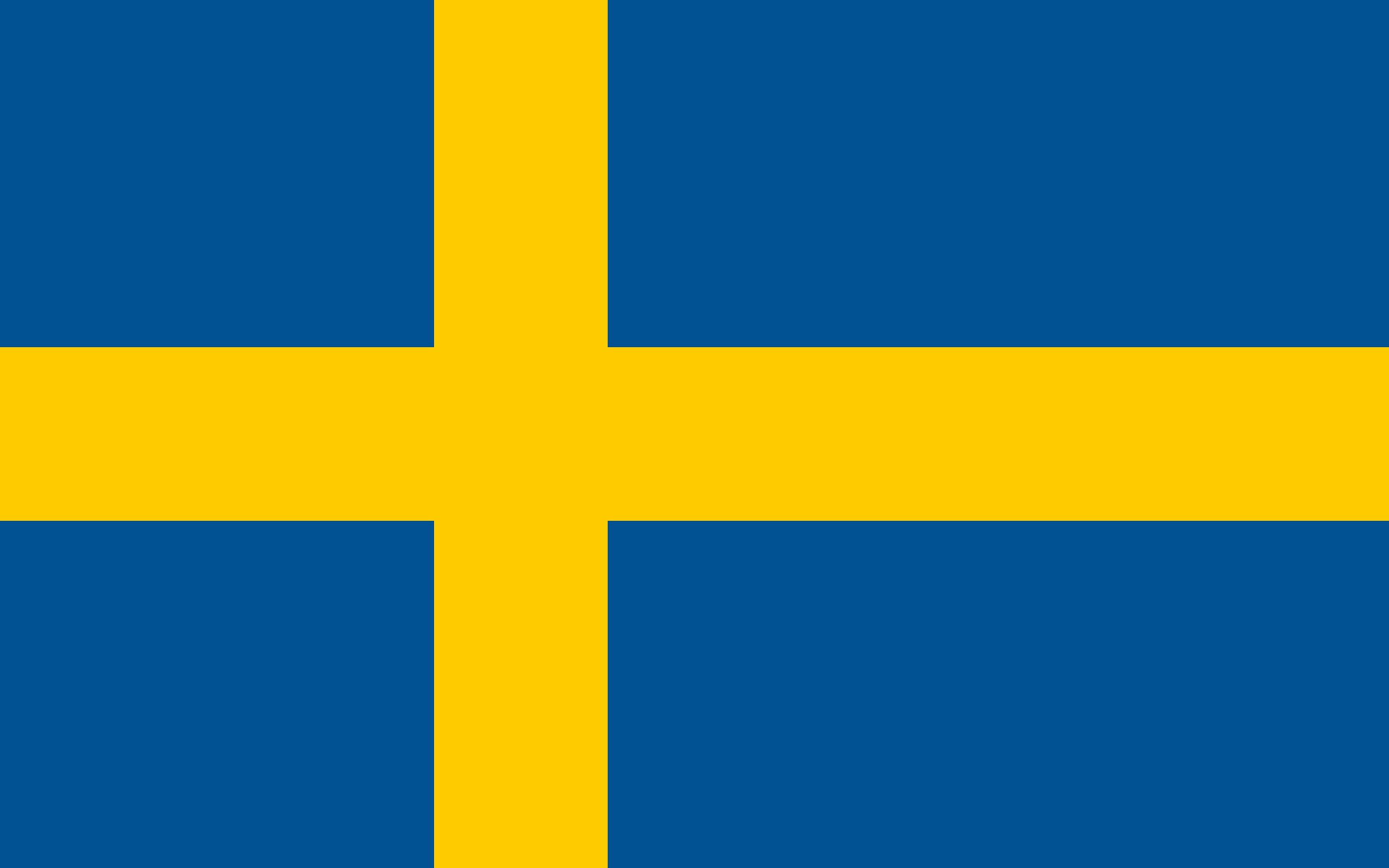
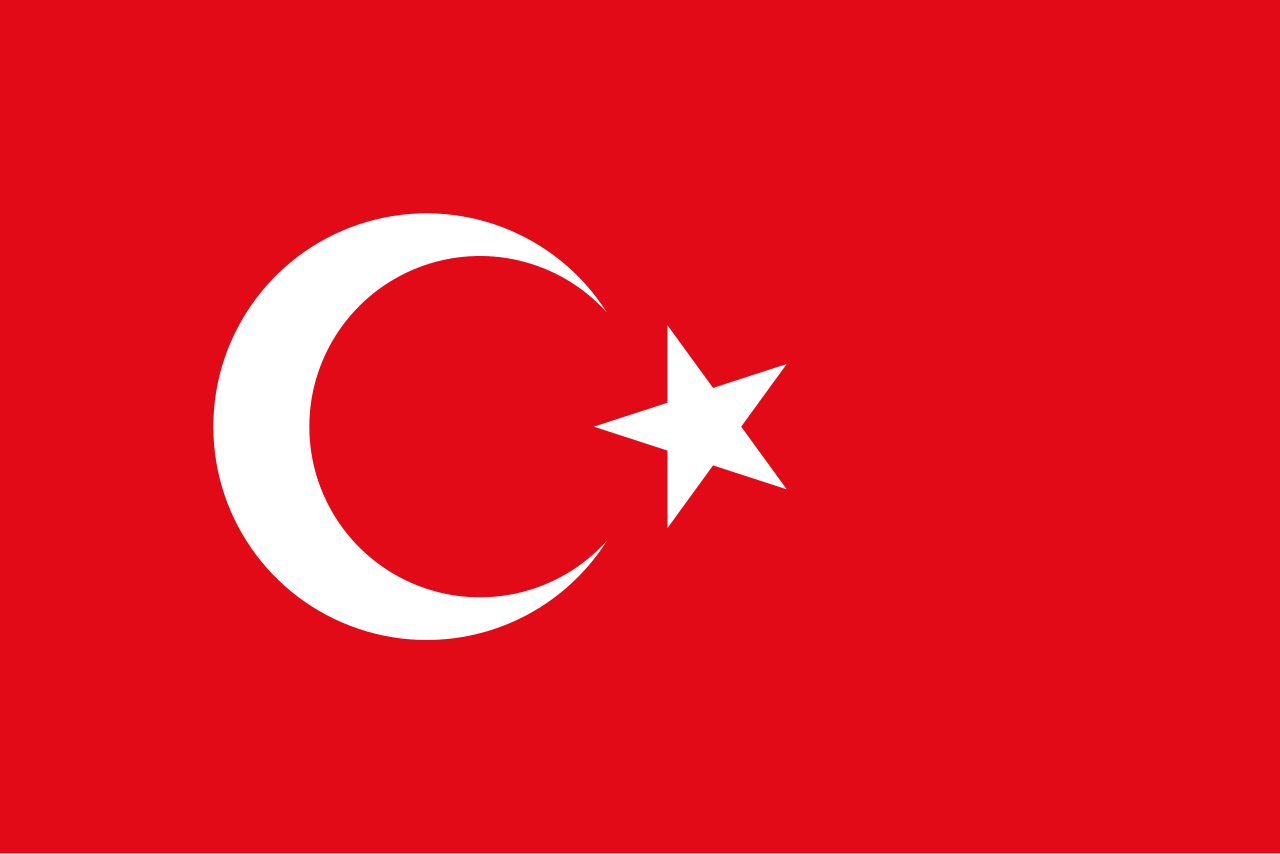
NATO Member Countries
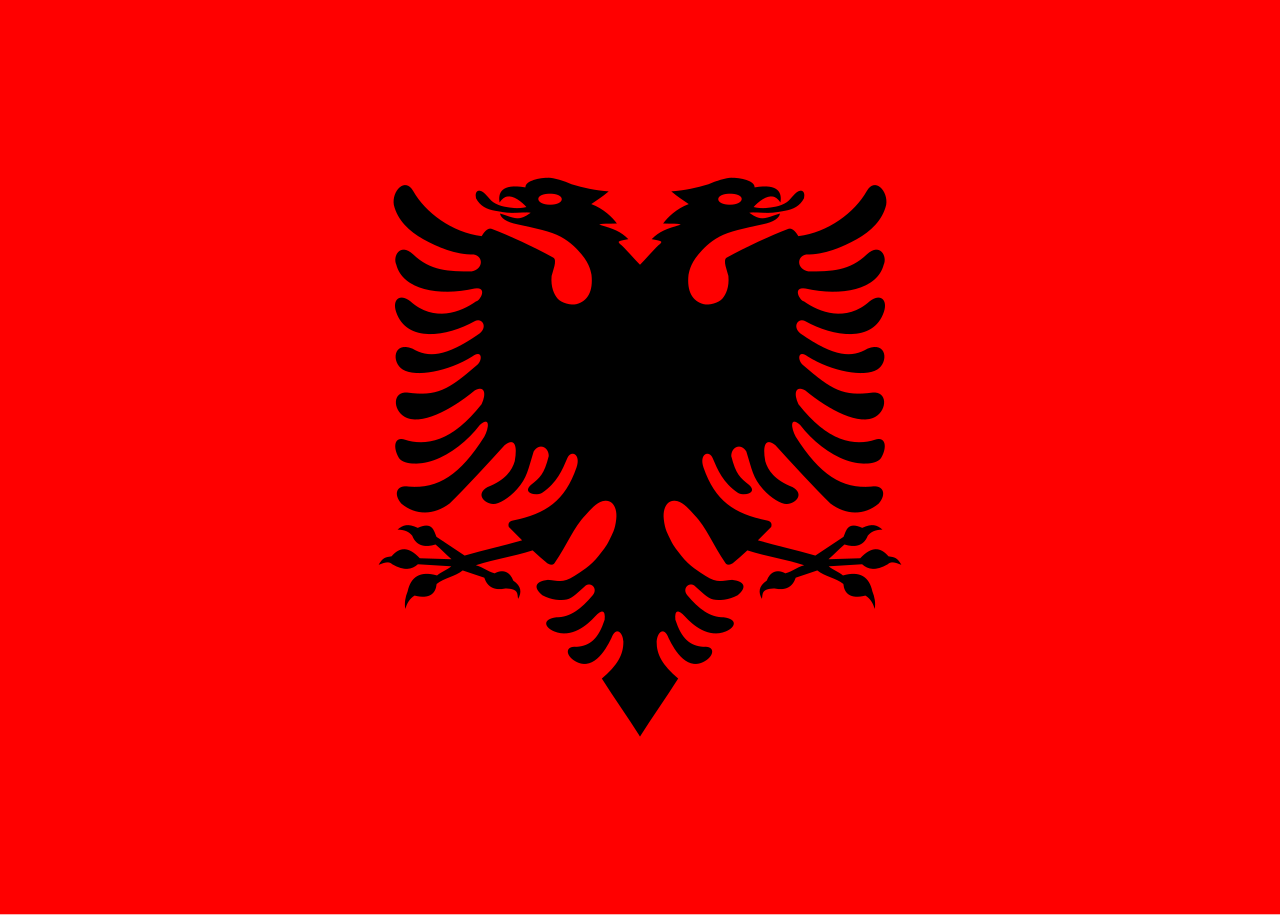

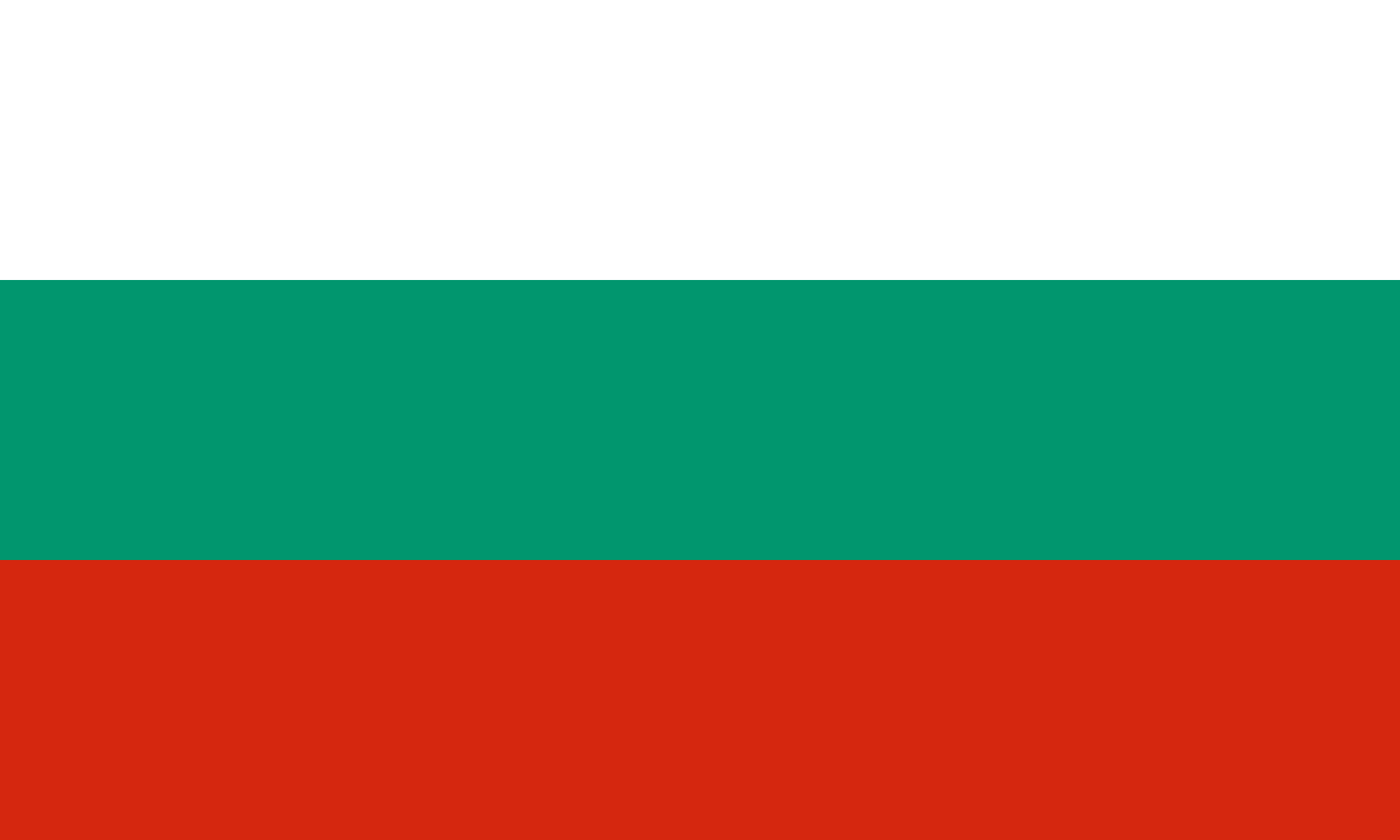

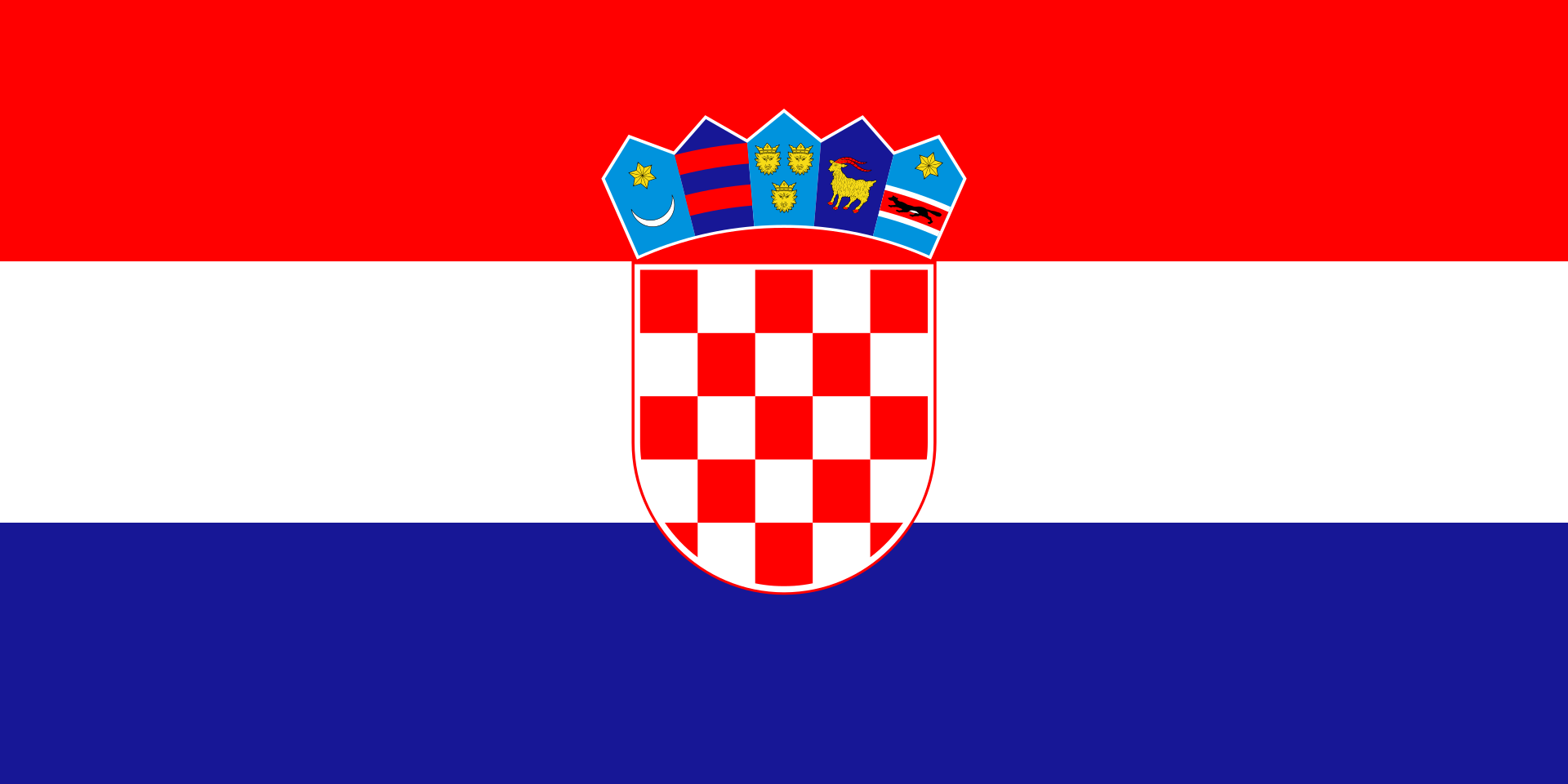
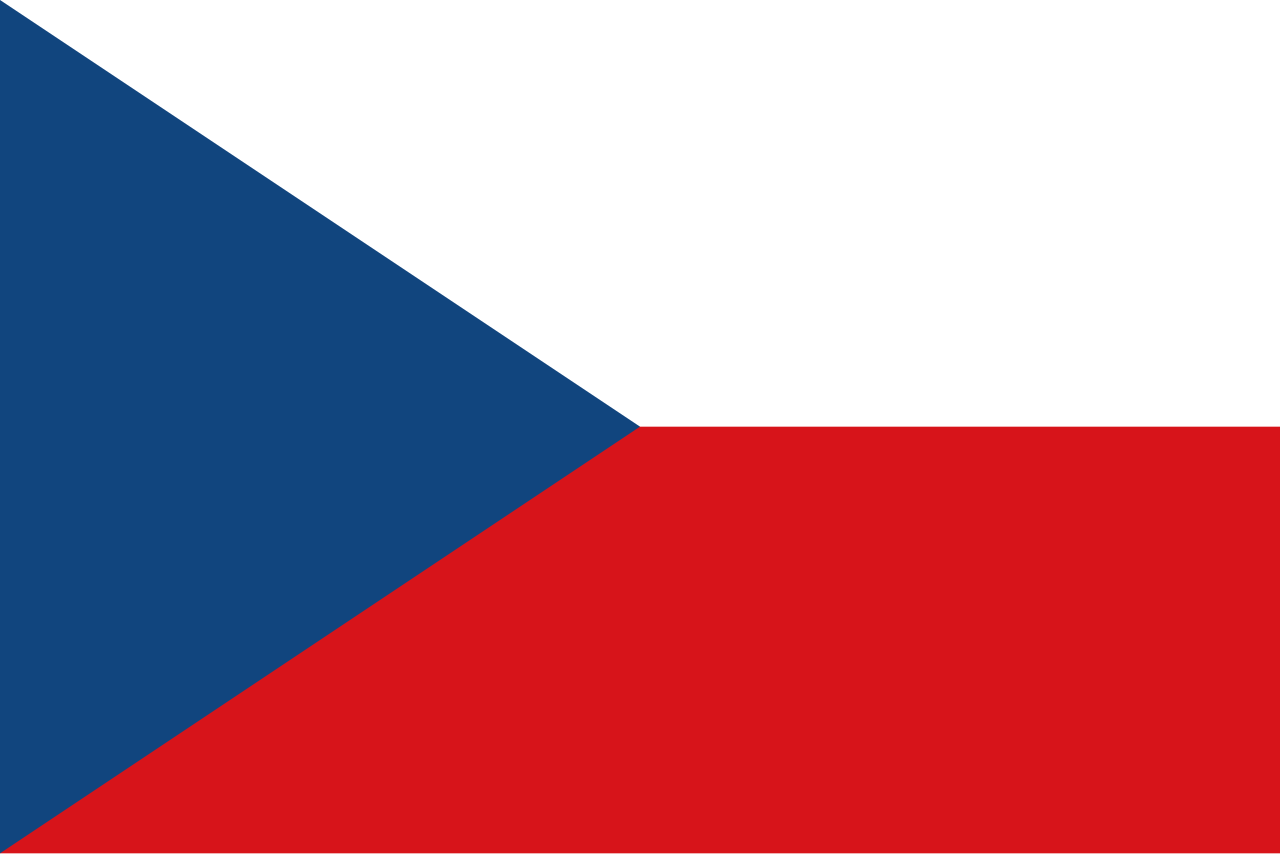




Recently Posted



Categories
- Alberta 24
- Armed Forces 36
- British Columbia 21
- Canada 290
- Cities 141
- County / Municipality / Regional District / Township 6
- Government 17
- Historical 3
- Indigenous 36
- International Flags 53
- International Organizations 5
- Manitoba 17
- Miscellaneous 4
- New Brunswick 7
- Newfoundland 12
- Northwest Territories 5
- Nova Scotia 12
- Nunavut 6
- Ontario 39
- Police 1
- Prince Edward Island 5
- Quebec 63
- Royalty 13
- Saskatchewan 12
- Schools 11
- Sports 22
- Yukon 4